What is UI/UX?What is UI/UX?
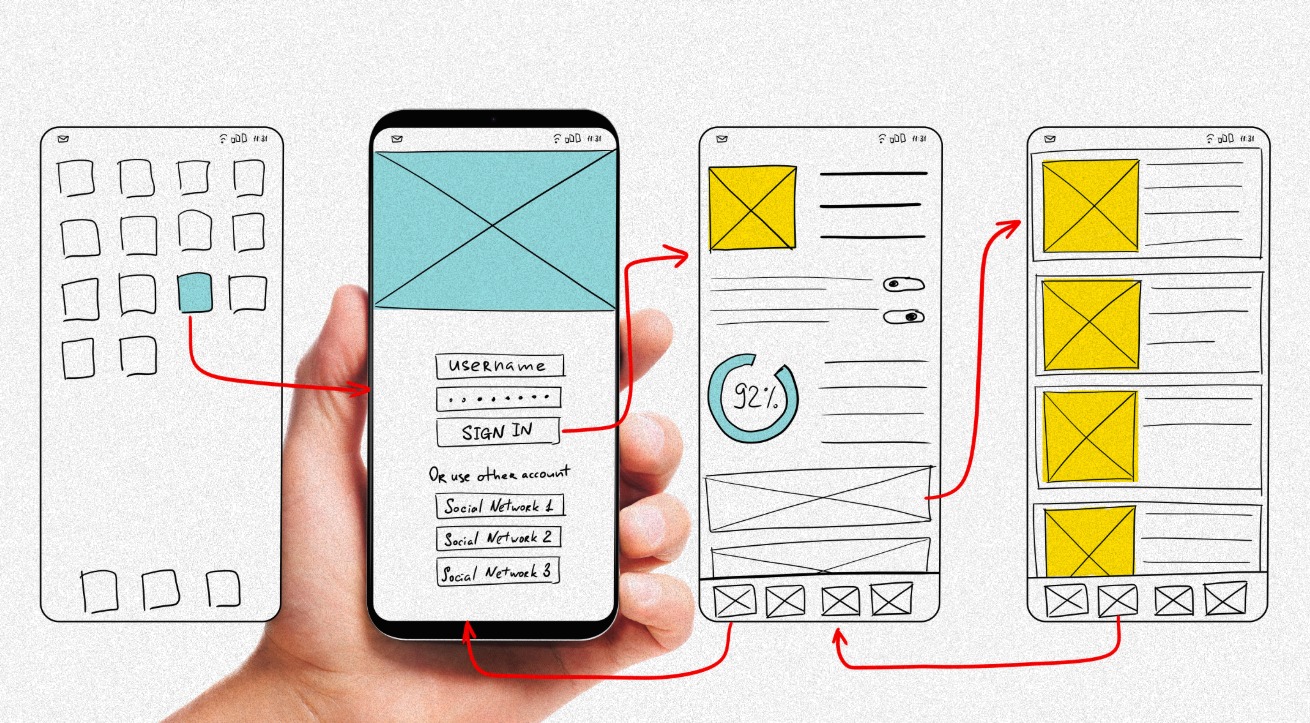
UI/UX refers to the design of digital products in a way that makes them both useful and enjoyable for people to use. UI (User Interface) focuses on the visual and interactive elements of a product such as buttons, layouts, colors, typography and icons ensuring everything looks clear, consistent and easy to interact with. UX (User Experience) goes deeper into how a user feels while using the product, covering usability, accessibility, navigation and the overall journey from start to finish. Together, UI and UX design work to create seamless, intuitive experiences that help users achieve their goals efficiently while also supporting business objectives like engagement, retention and conversion.This is why the best digital products usually come from the best UI UX agencies teams that know how to combine psychology, design, usability and technology into one seamless system.
Why Does UI/UX Matters?
Users today have endless options. If an app doesn’t meet expectations, they uninstall it and choose another.
Here are researched, real-world reasons why does UI/UX design matters:
First impressions matter: Users judge a website or app in just 50 milliseconds.
Poor usability costs big: 70% of online businesses fail due to bad user experiences.
Investing in UX pays off: Every $1 spent on UX can bring $100 in return (Forrester Research).
Good design reduces support issues: Clear flows can cut support tickets by 30–60%.
UI/UX is not an “extra cost” it is a strategic investment.This is exactly why businesses across industries from fintech to healthtech to ecommerce work with a UI UX agency that specializes in designing modern, high-quality digital experiences.
How UI/UX Design Creates Exceptional Digital Experiences
UI/UX design plays a decisive role in shaping how people perceive, trust and interact with digital products. Below is a clear, practical explanation of how UI/UX design creates experiences that users genuinely value.
1. It Starts With Understanding the User
At the core of UX (User Experience) design is empathy. Designers study how users think, what they need and where they struggle. This is done through user research methods such as interviews, usability testing, journey mapping and behavioral analysis.
For example, a food delivery app does not succeed because it looks attractive alone. It succeeds because users can:
- Find restaurants quickly
- Customize orders without confusion
- Track deliveries in real time
By understanding real user pain points, designers eliminate friction before it reaches the final product.
2. Clear Structure Reduces Cognitive Load
Good UX design prioritizes clarity. Users should not have to “figure out” how a product works. Information architecture, navigation flows and content hierarchy ensure that users always know:
- Where they are
- What they can do next
- How to recover from mistakes
Consider a banking application. If account balances, transaction history and transfers are scattered or buried under menus, users feel anxious and frustrated. A well-structured UX reduces mental effort and builds confidence.
3. UI Design Makes Interactions Intuitive and Trustworthy
UI (User Interface) design focuses on visual elements such as typography, color, spacing, icons and buttons. While UX defines how the product works, UI defines how it feels.
Exceptional UI design:
- Guides attention using visual hierarchy
- Uses consistent design patterns to build familiarity
- Reinforces trust through clean, professional aesthetics
For instance, subtle color changes on buttons, clear error messages and readable typography reassure users that the system is responsive and reliable.
4. Seamless Interactions Create Emotional Engagement
Micro-interactions, small animations, hover effects, progress indicators play a powerful role in experience design. They provide feedback, acknowledge user actions and make interactions feel human.
Examples include:
- A loading animation that reassures users the system is working
- A confirmation message after submitting a form
- Smooth transitions between screens that prevent disorientation
These details may seem minor, but collectively they transform a functional product into a delightful one.
5. Consistency Builds Familiarity and Efficiency
Consistency across screens, devices and platforms allows users to learn a product once and use it effortlessly everywhere. This includes:Repeated design patternsPredictable interactionsUniform terminologyWhen users do not need to relearn actions, task completion becomes faster and satisfaction increases. This is especially critical for enterprise tools and SaaS platforms where efficiency directly impacts productivity.
6. Accessibility Expands and Improves the Experience
Exceptional UX design is inclusive. Accessibility considerations such as contrast ratios, keyboard navigation, readable fonts and screen reader support ensure that digital products work for everyone, including users with disabilities.Importantly, accessibility improvements often enhance usability for all users, not just those with specific needs. Clear text, logical layouts and simple interactions benefit everyone.
7. UX Design Aligns User Goals With Business Outcomes
Strong UI/UX design balances user needs with business objectives. Whether the goal is increasing conversions, reducing support tickets or improving retention, UX design creates pathways that naturally guide users toward desired actions without coercion.
For example:
- Simplified onboarding increases activation rates
- Clear CTAs improve conversion without aggressive sales tactics
- Thoughtful error handling reduces abandonment
When users succeed, businesses succeed.
Why Companies Partner with a UI UX Design Agency
Companies partner with UI/UX agencies to solve usability and performance issues that internal teams may overlook. These agencies bring objective, research-driven insights, specialized expertise and faster execution, ensuring designs meet both user needs and business goals. By validating decisions through testing, they reduce risk, boost conversions and create intuitive, scalable digital experiences that drive long-term growth.
UI/UX design is the foundation of every successful digital product.It shapes how people feel, how fast they understand and how confidently they interact with the product.At Dot and Grid, we believe UI/UX is more than visuals and layouts; it’s the feeling users carry with them every time they interact with a product. A well-crafted experience builds trust, eliminates confusion, strengthens loyalty and drives real business impact. Our team blends creativity with usability to turn complex ideas into simple, intuitive journeys.If you’re building a product and want it to genuinely connect with the people using it, Dot and Grid is here to guide the process with care and clarity.

.png)


